

In 2026, the way we work continues to change. For parents, especially those living in rural areas, the debate around remote work vs office work feels more important than ever. Long commutes, rising costs, childcare needs, and family time all play a role. Choosing how we work now affects our quality of life, not just our income.
As a mum, remote work has started to feel like a real option. I haven’t worked remotely yet, but I have been actively exploring it. I recently completed a course focused on remote working to better understand how it works. The idea of being home for my daughter and avoiding long working hours feels hopeful and exciting.
Why Remote Work Appeals to Parents
Remote work offers something many parents crave: flexibility. Working from home removes the daily commute. It also reduces stress, especially during bad weather, which is common in rural areas.
Remote work would mean less money spent on gas and less wear on my car. It would also make school pick-ups easier and more flexible. Being home has its comforts too. I can prepare hot meals, work in my own space, and manage my day around family needs.
For busy parents, this kind of flexibility can make a huge difference.
What Office Work Still Does Well
Office work still offers strong benefits. It provides structure, which helps many people stay focused. Working in an office also gives easy access to supervisors, coworkers, and equipment.
Right now, I know I work better in an office setting. Home comes with distractions and interruptions. Office work also creates a clear boundary between work life and home life. That separation can help parents stay balanced.
The Social Side of Work
One concern I have about remote work is social interaction. I haven’t experienced it yet, but I imagine the lack of daily connection could feel isolating.
Office jobs naturally create social moments. Small conversations and teamwork build relationships. For parents, especially those who already feel isolated, that connection can matter more than we realize.
Costs: Remote Work vs Office Jobs
Both work options come with costs. Even with a remote job, I would still pay for car maintenance, gas, and childcare. That will soon change.
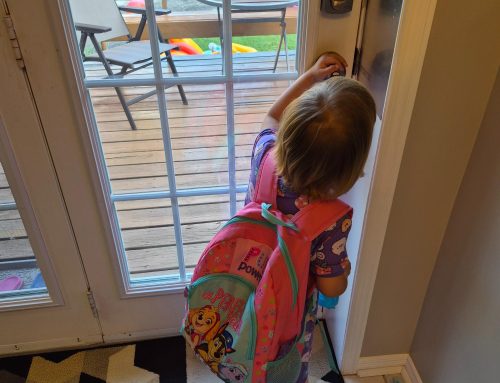
My daughter starts school this September. Once that happens, childcare costs will no longer be part of my budget. At that point, remote work could lead to real savings, especially with fewer commuting expenses.
Office jobs also come with hidden costs for employers. These include office supplies, drinks, and equipment. While employees may not see these costs, they still influence workplace policies.
Rural Living, Location, and Flexibility
Remote work often gets linked to travel. As a parent, travelling more is not a priority. School schedules come first.
What matters most is flexibility. Office jobs often tie workers to one location. For rural workers, that can mean long daily drives. This is one of the main reasons I started looking into remote work options.
Is Hybrid Work a Middle Ground?
I previously worked in a hybrid role, and I enjoyed the balance. Seeing coworkers again felt refreshing. Having flexibility at the same time made work feel more manageable.
In 2026, many companies offer hybrid work. However, some still enforce strict schedules. Flexibility exists, but it does not always look the same across workplaces.
So, Which Option Is Better in 2026?
There is no single answer. Every family has different needs.
Remote work offers flexibility, fewer commutes, and more time at home. Office work offers structure, social connection, and clearer boundaries. Both options have value.
For me, remote work feels like a hopeful path worth exploring. It fits where my life is right now. As parents, our priorities change. Finding work that supports our families matters more than ever.
So here’s something to think about:
What type of work setup supports your life right now, and has that changed over time?
If you enjoyed reading this post as much as I enjoyed writing it, you may enjoy reading one of these other posts:
Emotional Wellness for rural single mothers
The One and Only: Raising an Only Child with Intention and Heart








Leave a Reply